

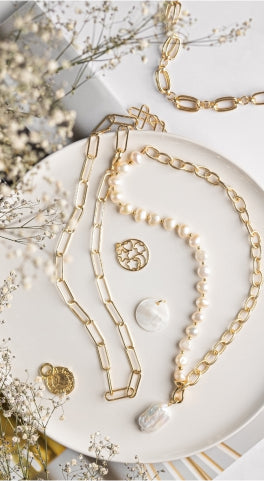



Many people own gold jewelry that no longer fits their style or lifestyle. Over the years, collections often grow to include pieces tucked away in drawers, inherited items that are rarely worn, broken chains, single earrings, or jewelry connected to past trends. While these pieces may no longer be part of everyday wear, they can still hold significant value.
Selling gold has become an appealing option for individuals looking to simplify jewelry collections, turn unused items into something new, or better understand the worth of pieces they own. However, many people have questions before starting the process. Understanding how gold buying works and what factors influence value can help create a more informed and comfortable experience. Check it out!
What Types of Gold Can Be Sold?
One of the most common misconceptions about gold buying is that only perfect or newer jewelry can be evaluated. In reality, many types of gold items may have value regardless of their age or condition. Gold buyers often evaluate a variety of jewelry pieces and precious metal items.
People frequently bring in pieces that they have not worn for years, while others may have inherited jewelry that no longer aligns with their personal preferences. Even damaged or outdated items can still contain valuable precious metal content. Common examples of gold items that may be evaluated include:
- Gold rings and wedding bands
- Necklaces and chains
- Bracelets and earrings
- Broken or damaged jewelry
- Estate jewelry
- Gold coins and other gold items
The condition of a piece does not necessarily determine whether it can be sold. In many situations, the material itself plays a larger role in establishing value.
How Is the Value of Gold Determined?
Many people wonder how gold value is calculated and why two pieces that appear similar may receive different evaluations. Determining value involves several factors working together rather than relying on appearance alone.
One of the most important considerations is purity. Gold jewelry is commonly created in different karat levels, including 10K, 14K, 18K, and higher. Karat ratings indicate the amount of pure gold contained within a piece, and the rating directly influences overall value.
Weight also contributes significantly to evaluation. A larger item containing more precious metal will naturally contain more gold material than a lighter piece. In addition, current market conditions and changing gold prices influence value because precious metals fluctuate over time.
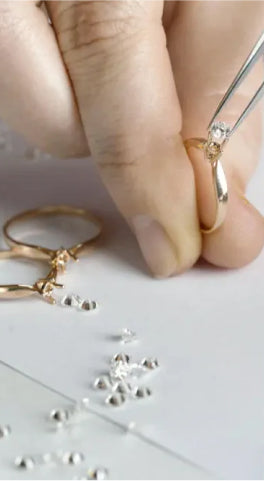
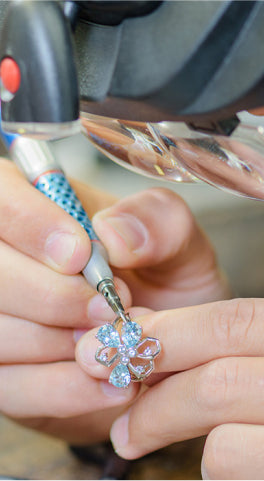
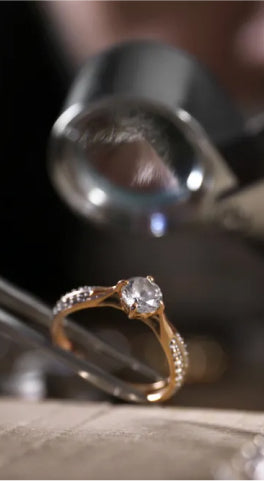
Design elements or additional components such as diamonds and gemstones may also affect the evaluation process depending on the specific item. Professional assessment provides a clearer understanding of how these characteristics contribute to overall worth.

Can I Sell Broken or Damaged Gold Jewelry?
Absolutely! Broken clasps, bent rings, missing stones, or tangled chains do not automatically eliminate value. Since the gold content itself often remains intact, damaged pieces may still be evaluated based on purity and weight. Many people unknowingly keep broken jewelry for years, assuming it has little or no worth.
Selling unwanted gold can also create opportunities to repurpose value in meaningful ways. Some individuals choose to use proceeds toward purchasing new fine jewelry, upgrading existing pieces, or investing in future milestones.
Rather than leaving broken items sitting unused, you may find that a professional evaluation reveals value you previously overlooked.
Can Estate Jewelry Be Evaluated for Gold Value?
Estate jewelry often carries unique importance because it combines financial value with personal history. Family collections frequently include pieces that have been passed down through generations, creating sentimental connections alongside potential material value.
Many estate items contain valuable gold content, while others may include diamonds, gemstones, or distinctive craftsmanship that contributes additional considerations. Professional evaluation can help identify important characteristics while providing a better understanding of the jewelry itself.
Some individuals choose to preserve inherited pieces, while others decide to redesign them or sell unwanted gold items that no longer fit their needs. Understanding the value of estate jewelry creates more informed choices and can help families make confident decisions regarding meaningful possessions.
Why Knowledge Creates Confidence During the Gold Buying Process
Selling jewelry often involves more than simply parting with unused items. Many pieces carry memories, stories, and connections that make decisions feel personal. Understanding the process and learning how value is determined can help remove uncertainty and create a more comfortable experience.
Professional evaluation offers an opportunity to better understand what you own while exploring options that align with your goals. Whether you are selling a few pieces or reviewing a larger collection, information often becomes one of the most valuable parts of the process.
Discover Gold Buying Services at Ballantyne Jewelers
At Ballantyne Jewelers, we invite you to visit us in Charlotte, NC, and explore our trusted gold buying services. Our team is here to provide professional evaluations, answer your questions, and help you better understand the value behind your jewelry.